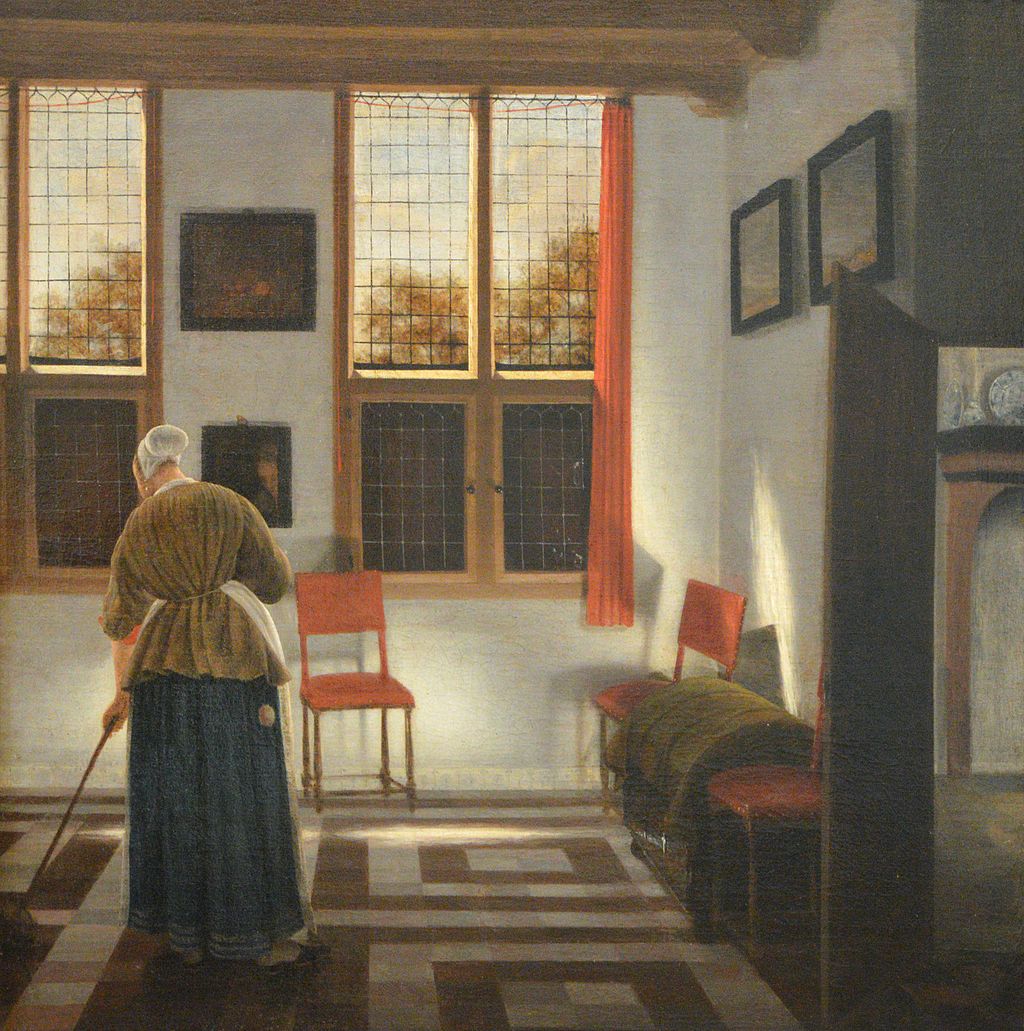
Pieter Janssens Elinga, “La Balayeuse”, 1668-1672
“Shakespeare’s pre-eminence is of course due to his extraordinary originality; but to begin to understand his originality, we have to interpret the word correctly. It does not mean that he invented a kind of drama that was quite different from that to which his age was accustomed, or that he invented new ideas for his dramatic subjects. It means that as part of his poetic talent and his imaginative intensity he possessed an unusual critical power. This, too, must be properly defined. He left no assessments of his own or of anybody else’s work, but a great imaginative writer must use criticism to test the vitality of the literary forms of his age. He tests them, rather than invents new ones… [in order to be] continuous with the imaginative expression that nourished him…”
“In all these plays Shakespeare is not rejecting the accepted forms of theatrical tradition; he is revitalizing them by bringing them into relationship with the actualities of real experience.”
C.Gillie, Longman Companion to English Literature; The Great Age: 1590-1620; Longman.
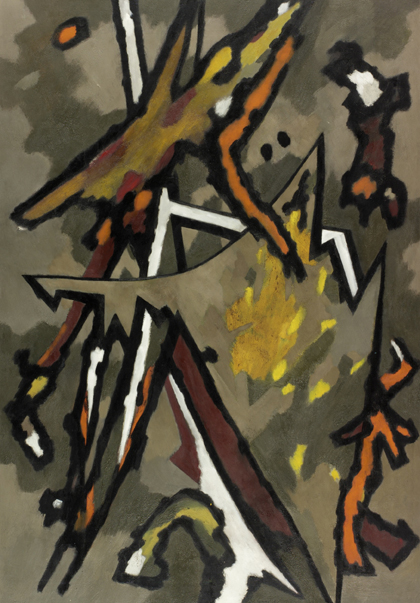
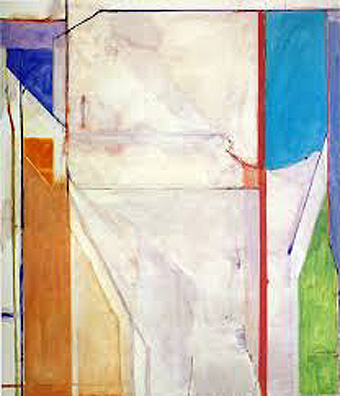
Lucky Shakespeare, to have lived at such a time, when forms and precedents and high, ambitious, competitive achievement were strong, and the artform in question could thus properly express the deepest feelings of the age. I’m not sure in visual art we are in the midst of anything like such interesting times, but nor do I believe that we are in an age of shallow feeling that must be mirrored in the contemporary art we make. But it strikes me as something of a dilemma; we might need on the one hand to overturn all precedent in abstract art so far; yet we can’t presume to make painting or sculpture without thought or structure, about any old thing and from garbage; and so, on the other hand, sympathising with all the achievements of abstract art to date, even if we consider them only minor, we might wish to continue to attempt to make something of their precedent – but yet more real, more intense… better.

 Abcrit